Most pest prevention is topical — sprays, collars, spot treatments applied to the coat. But some of the most effective deterrents work from the inside: supplements that alter your dog’s skin chemistry, strengthen their immune defenses, and make them a less attractive target in the first place.
At Marley Pet Sanctuary, we’ve added several of these to our dogs’ routines. Here’s what actually works, what the research says, and how to use each one safely.
Some supplements work by releasing compounds through your dog’s skin and coat — compounds that insects can detect and want to avoid. They don’t eliminate the need for all other pest prevention, but they can meaningfully reduce how often pests land on your dog in the first place.
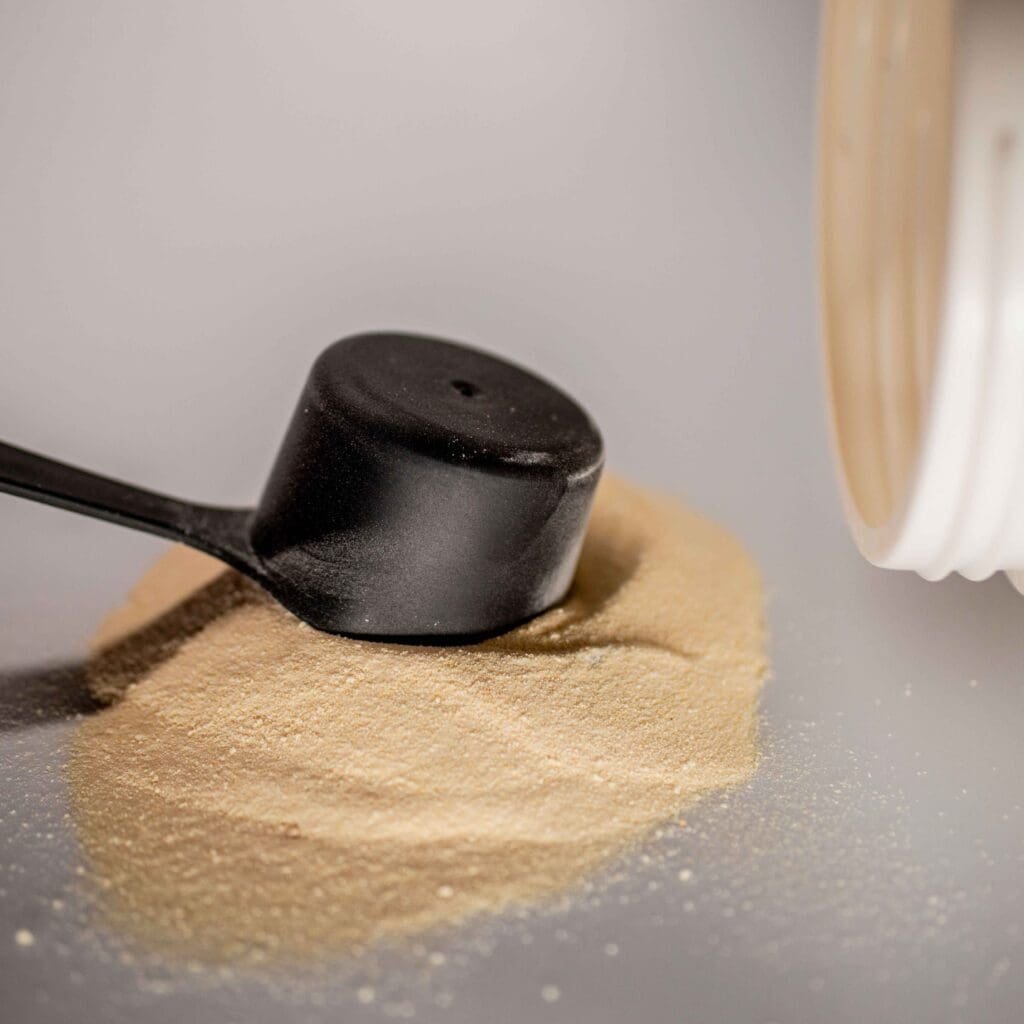
Brewer’s yeast is a byproduct of the beer-making process — a dry, powdered form of Saccharomyces cerevisiae, the same yeast used to ferment hops and grains. It’s been used in animal nutrition for decades and is rich in B vitamins, particularly thiamine (B1), as well as amino acids, zinc, and selenium.
How It Helps Repel Pests
The mechanism isn’t fully understood, but the leading theory is that brewer’s yeast — particularly its thiamine content — creates a skin odor that fleas and ticks find repellent. The compounds released through the skin and coat make the dog a less appealing host. Brewer’s yeast also provides mild sulfur compounds, which may add to the repellent effect.
Setting the Record Straight on Garlic
Garlic has a complicated reputation in the dog world. You’ve probably seen warnings online telling you garlic is toxic to dogs — and technically, that’s not wrong. But the full picture matters a lot here.
The toxicity concern comes from a study in which dogs were given extremely large doses of garlic — far beyond anything you’d use in a wellness supplement.
The compound in garlic that causes concern (thiosulfate) is dose-dependent: at very high amounts, it can damage red blood cells. At small, controlled amounts used for pest prevention, dogs process garlic without issue
Safe Dosage for Healthy Adult Dogs
• Dried/powdered garlic: ½ teaspoon per day for a medium-sized dog (30–50 lbs). Scale down for smaller dogs.
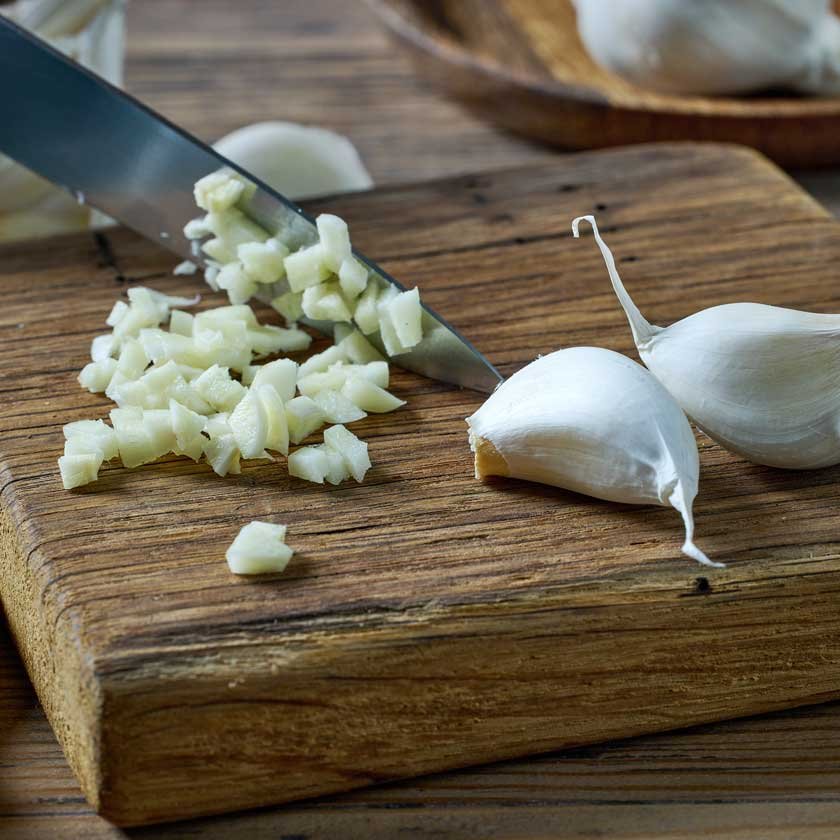
• Fresh garlic: ¼ teaspoon per day — crush or chop and allow 10 minutes before adding to food so allicin can fully develop.
• Fresh garlic carries stronger antiseptic properties due to higher allicin content. Dried garlic is more convenient but loses some of this potency.
In 2000, researchers at Hokkaido University published a study that became the single most cited source for garlic’s supposed toxicity in dogs (Lee et al., 2000). Four dogs were administered garlic extract daily via nasogastric tube — force-fed directly into the stomach — for seven consecutive days. The dose was 5 grams of garlic per kilogram of body weight per day.
To understand what that means in real terms: a 50-pound (23 kg) dog would have received the equivalent of roughly 25 large raw garlic cloves every single day. A 75-pound Golden Retriever would have been given approximately 34 cloves — four full heads of garlic — daily. Let’s sink this in.
No dog would voluntarily consume anything close to that amount.
The results showed changes in red blood cell markers, though notably none of the dogs actually developed anemia despite the extreme dosage. The researchers concluded that “foods containing garlic should be avoided” — and that conclusion, based on this single study using non-representative doses delivered artificially, became the foundation of the “garlic is toxic to dogs” warning that spread widely online and through mainstream veterinary messaging.
A 2004 study by Chang et al. examined allicin — the primary active compound in garlic — and its effects on platelet aggregation in dogs and humans. Rather than showing harm, the study found that allicin actually benefited cardiovascular markers, and there was no report of hemolytic anemia even at the concentrations used.
The more directly relevant study came in 2018, published in BMC Veterinary Research (Yamato et al.). Beagles were given aged garlic extract (AGE) at 45 or 90 mg/kg of body weight per day for 12 weeks — a significantly longer period than the 2000 study. The outcome was the opposite of what the toxicity warnings predict.
The FDA also continues to list garlic as a permitted ingredient in pet food — something that would not be the case if small amounts posed a genuine health risk. And holistic veterinarians, including those practicing Traditional Chinese Veterinary Medicine, have used garlic therapeutically in dogs for decades without the widespread toxicity cases the warnings would predict.
Why Fresh Garlic Matters More Than Processed
Not all garlic is the same from a safety and benefit standpoint. The 2000 study used garlic extract — a concentrated, processed form. A recent in vitro study (2024, published in Animals) found that dried and granulated garlic caused more damage to red blood cells in lab conditions than fresh garlic, suggesting that processing enhances the harmful compounds rather than reducing them.
Fresh garlic is the form holistic vets recommend for supplementation. When you crush or chop a fresh clove, allicin forms — but it takes approximately 10 minutes for the enzymatic reaction to complete. Letting crushed garlic sit before adding it to food ensures the full allicin content develops. This is also the form with the strongest documented antiseptic and antimicrobial properties.
Antiseptic Properties of Fresh Garlic
Allicin, the compound produced when fresh garlic is cut or crushed, has well-documented antibacterial, antifungal, and antiparasitic activity. It’s been shown to inhibit the growth of both gram-positive and gram-negative bacteria. In the context of pest prevention, this matters beyond just repellence: dogs that spend time outdoors are frequently exposed to bacteria through insect bites, scratches, and environmental contact, and a diet that includes garlic’s antimicrobial compounds provides some passive protection.
Garlic also contains ajoene, a sulfur compound with antiparasitic properties that has shown activity against internal parasites in animal studies. It’s not a dewormer, but it creates a less hospitable internal environment for parasites.
Who Should Avoid Garlic
• Puppies under 6 months — their red blood cell production is not mature enough to handle allium compounds
• Certain breeds including Akitas and Shiba Inus, which have documented sensitivity to oxidative compounds in alliums
• Dogs with existing anemia or red blood cell disorders
• Dogs on blood-thinning medications (garlic has mild anticoagulant properties)
• Cats — significantly more sensitive to allium compounds than dogs; do not use garlic for cats
A strong immune system doesn’t just fight off illness — it also plays a direct role in how your dog’s body responds to flea bites, tick saliva, and parasitic activity. Dogs with robust immune function tend to experience fewer secondary infections from pest activity and recover more quickly from bites and irritation.
The foundation of immune health is diet. The single most impactful thing you can do is introduce more fresh, minimally processed food into your dog’s bowl. Even a partial shift away from highly processed kibble — adding real proteins, vegetables, or fresh toppers — increases the nutrient density your dog’s immune system runs on. The supplements below are most effective when they’re complementing a quality diet, not compensating for a poor one.
Omega-3 are anti-inflammatory and play a foundational role in skin and coat health. A dog with healthy, well-nourished skin creates a better physical barrier against pests. Flea saliva triggers inflammation and allergic response — dogs with adequate omega-3 levels tend to have a less intense reaction to bites and heal faster from skin irritation.
What to Look For
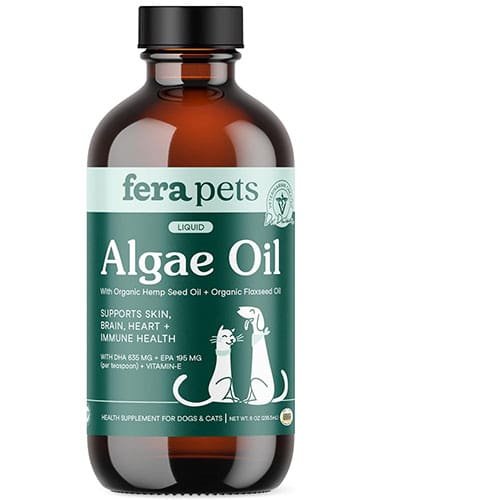
Not all omega-3 supplements are equal. Fish oil is the most common source, but many mainstream products contain much lower DHA/EPA concentrations than their labels imply. At the sanctuary, we use algae oil instead — it delivers a significantly higher DHA/EPA concentration per serving, skips the fishy odor, and avoids potential heavy metal concerns associated with some fish oil products.
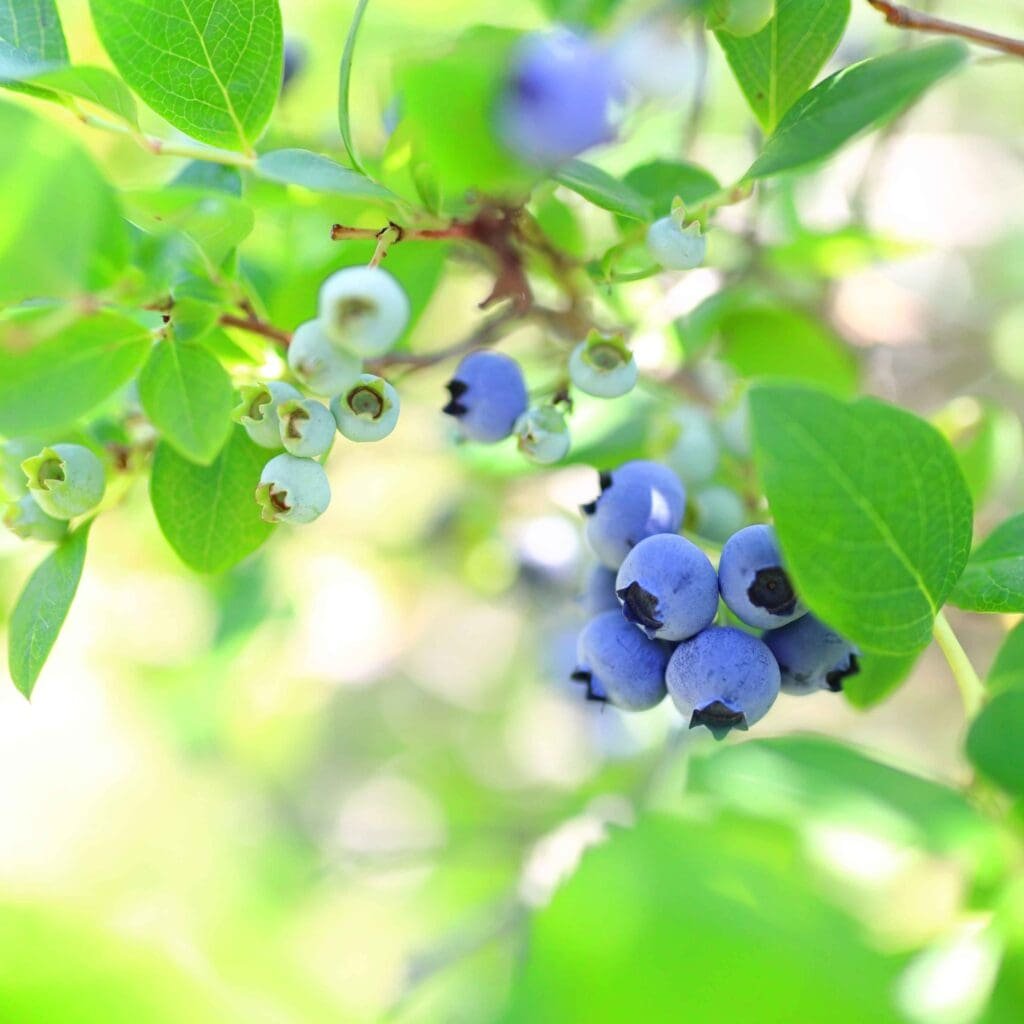
Blueberries are one of the most antioxidant-dense foods you can add to your dog’s bowl, and antioxidants are central to immune function. They neutralize free radicals — the cellular damage that accumulates from environmental exposure, stress, and inflammatory responses to pest activity.
They’re also a practical addition: inexpensive, widely available, and most dogs enjoy them. At the sanctuary we use frozen blueberries as a food topper or treat — frozen is just as nutritious as fresh and often cheaper.
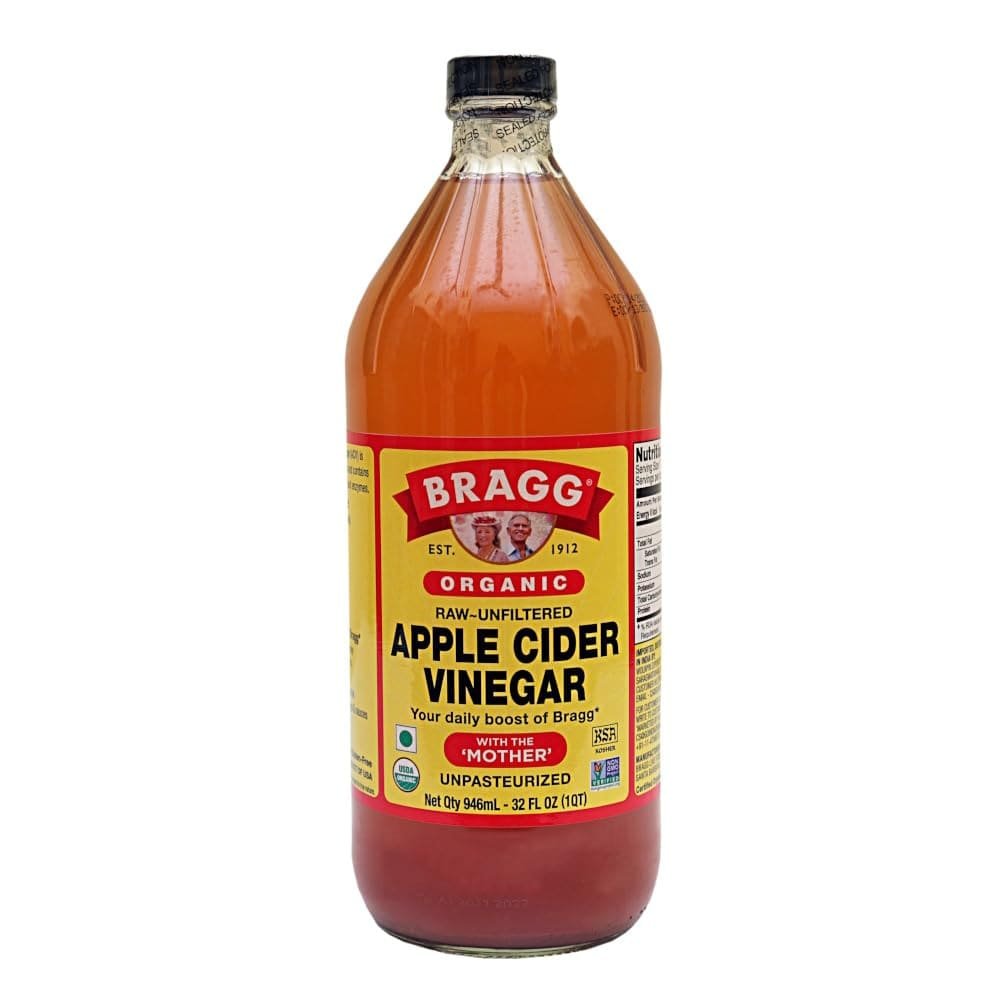
Gut Microbiome Support — The strongest case. The live bacteria and enzymes in the mother may foster a healthier gut environment, which is where a large share of immune regulation happens.
pH Modulation — ACV’s mild acidity may discourage opportunistic pathogens, which tend to thrive in more alkaline conditions.
Antioxidant Activity — Polyphenols in raw ACV help neutralize free radicals, reducing oxidative stress that would otherwise tax the immune system.