Pest prevention is non-negotiable — but so is your dog’s health. The good news is you don’t have to compromise one for the other. Holistic approaches offer gentle, effective solutions that work from the inside out and the outside in. At Marley Pet Sanctuary, we manage a multi-dog environment where a single flea could spiral into a full infestation. We’ve been pest-free for years using nothing but these 6 natural measures — no spot-on treatments, no compromises. Here is how we do it.
At Marley Pet Sanctuary, the goal to make sure pest never get on the dog in the first place.
That shift in thinking changes everything. It means building an environment, a routine, and a dog whose body is genuinely resilient — not one that’s essentially a pesticide delivery system 365 days a year.
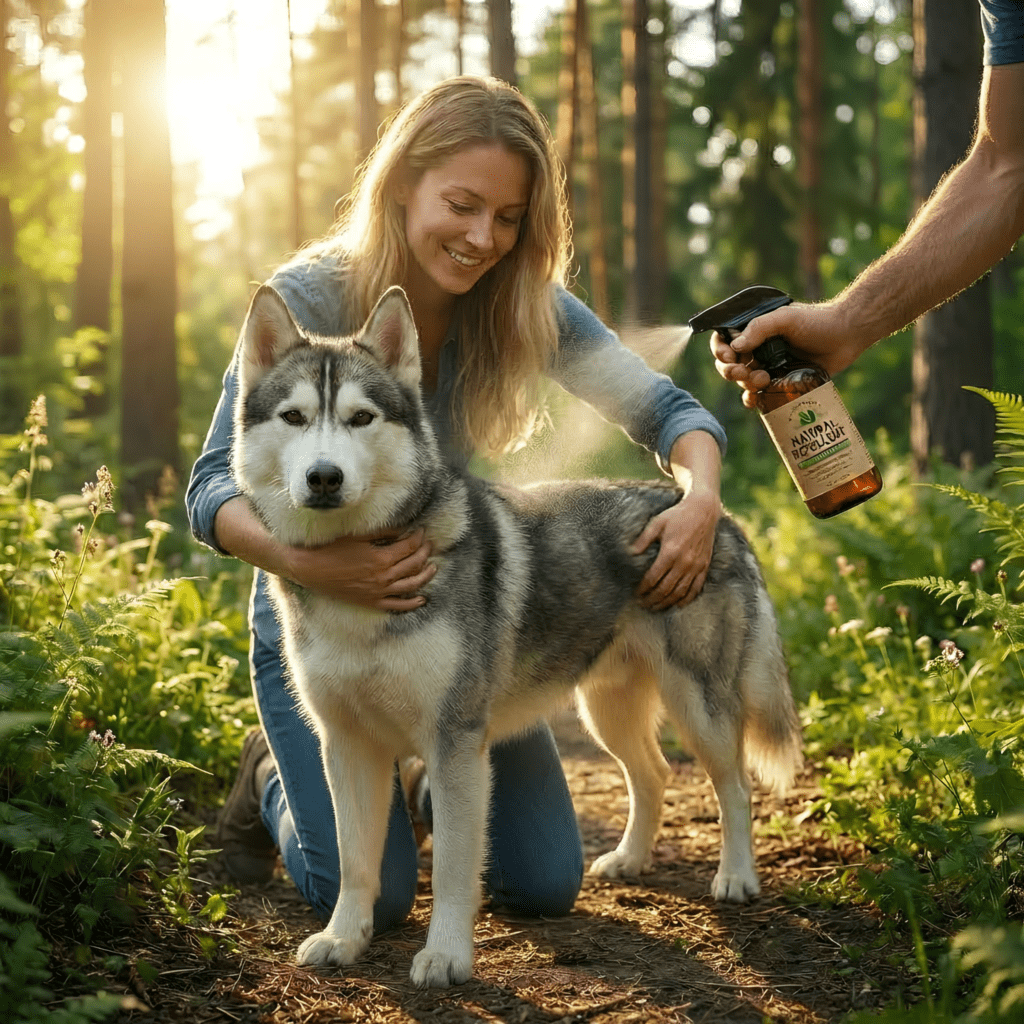
Apple Cider Vinegar is the base of the spray and the primary pest deterrent. Fleas, ticks, and flies are sensitive to acidic pH environments
The 50:50 dilution with water is non-negotiable. Undiluted ACV is acidic enough to irritate skin. Diluted, it’s gentle enough for regular use and actually beneficial for coat health over time.
Use raw Apple Cider Vinegar with the mother — the unfiltered kind with the cloudy sediment at the bottom. That’s where the active compounds are.
Filtered Apple Cider Vinegar is mostly just sour water.
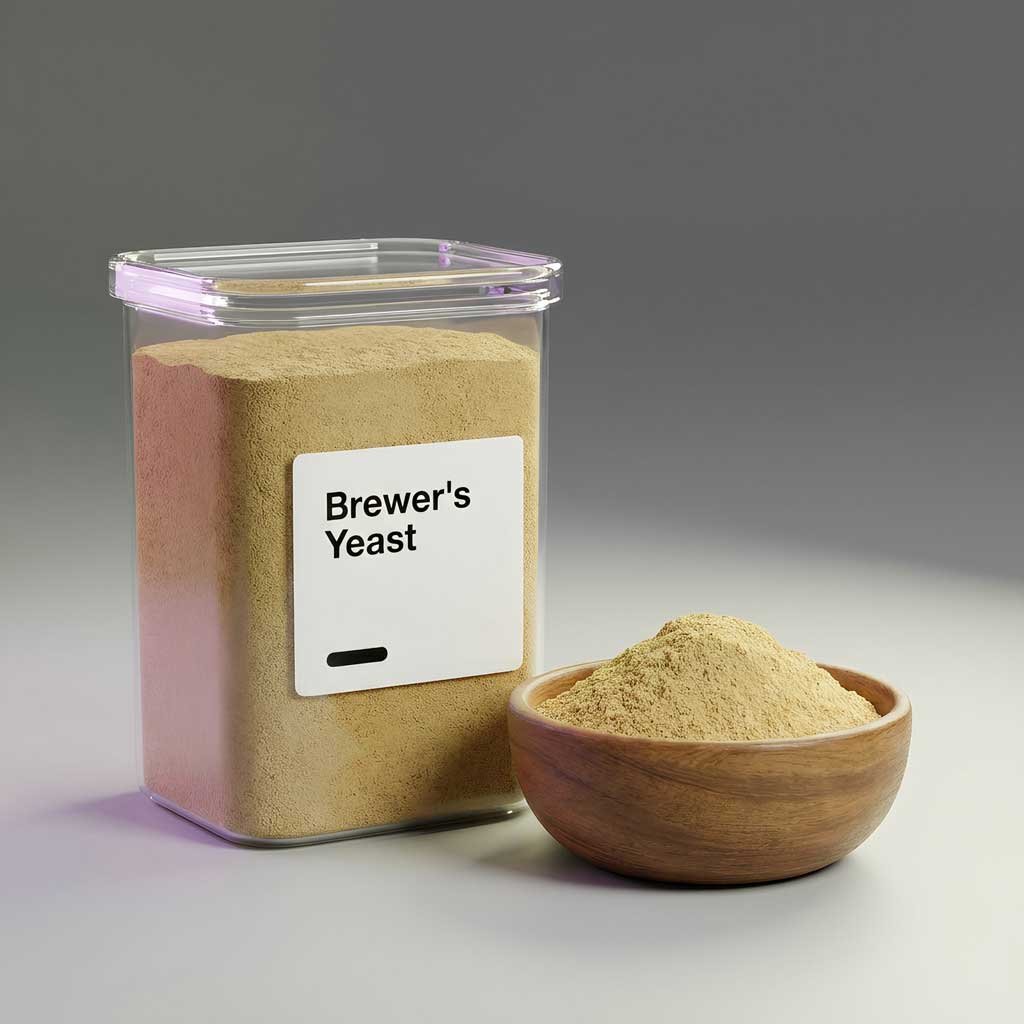
Some natural supplements work quietly in the background, creating an internal environment that pests simply don’t want to be around. B vitamins — particularly thiamine (B1) — are believed to alter skin odor in ways that fleas and mosquitoes find off-putting.
Brewer’s yeast is a go-to source of these B vitamins and one of the simplest, safest additions you can make to your dog’s bowl.
Research at the population level is still limited, but real-world use at Marley Pet Sanctuary has been encouraging — with zero downside.
This is the one most people overlook. Dogs fed a whole-food, natural diet have notably stronger immune systems — and a well-functioning immune system is your dog’s first-line defense against everything, including the secondary infections that often follow a flea or tick bite.
Processed kibble heavy in fillers and preservatives creates systemic inflammation, which makes dogs more vulnerable, not less.
At Marley, transitioning dogs to natural food has been one of the most consistent improvements we’ve seen across the board.
This is probably the highest-leverage action most dog owners are underestimating.
Research suggests roughly 90% of a dog’s flea exposure comes from their environment — primarily textiles like bedding, rugs, and soft furniture — not from direct contact with other animals.
Washing dog bedding weekly in hot water and drying on high heat eliminates eggs, larvae, and pupae before they complete the lifecycle.
You can be doing everything right on the dog itself and still lose ground if the environment is re-infesting them
Mosquito activity peaks at dawn and dusk — this is well-established entomology. Here in Georgia especially, letting dogs outside during those windows dramatically increases exposure.
We manage this with simple timing: dogs are inside during peak mosquito hours.
It costs nothing, requires no products, and eliminates a meaningful chunk of exposure. Sometimes the most effective prevention is behavioral, not chemical.
Lavender is a standout in natural pest prevention — it has real, documented insect-repellent properties and is one of the few essential oils that’s genuinely safe around dogs.
Planting it in your yard, near resting areas, or along pathways your dog frequents is a low-effort, high-reward move. At the sanctuary, it’s a staple in our outdoor spaces for exactly that reason.
We pair it with agricultural lime applied directly to the ground. Lime adjusts soil pH to levels that fleas and pests struggle to survive in — it’s cheap, safe, and works best as part of a weekly routine rather than a single application.