
Most pest prevention is topical — sprays, collars, spot treatments applied to the coat. But some of the most effective deterrents work from the inside: supplements that alter your dog’s skin chemistry, strengthen their immune defenses, and make them a less attractive target in the first place.
At Marley Pet Sanctuary, we’ve added several of these to our dogs’ routines. Here’s what actually works, what the research says, and how to use each one safely.
Some supplements work by releasing compounds through your dog’s skin and coat — compounds that insects can detect and want to avoid. They don’t eliminate the need for all other pest prevention, but they can meaningfully reduce how often pests land on your dog in the first place.

Brewer’s yeast is a byproduct of the beer-making process — a dry, powdered form of Saccharomyces cerevisiae, the same yeast used to ferment hops and grains. It’s been used in animal nutrition for decades and is rich in B vitamins, particularly thiamine (B1), as well as amino acids, zinc, and selenium.
How It Helps Repel Pests
The mechanism isn’t fully understood, but the leading theory is that brewer’s yeast — particularly its thiamine content — creates a skin odor that fleas and ticks find repellent. The compounds released through the skin and coat make the dog a less appealing host. Brewer’s yeast also provides mild sulfur compounds, which may add to the repellent effect.
AskJovi.com earns a small commission on purchases made through our Amazon links, at no extra cost to you. Our recommendations are based on real evaluations at Marley Pet Sanctuary, where we stretch every dollar to find the best quality products for the animals in our care.

Setting the Record Straight on Garlic
Garlic has a complicated reputation in the dog world. You’ve probably seen warnings online telling you garlic is toxic to dogs — and technically, that’s not wrong. But the full picture matters a lot here.
The toxicity concern comes from a study in which dogs were given extremely large doses of garlic — far beyond anything you’d use in a wellness supplement.
The compound in garlic that causes concern (thiosulfate) is dose-dependent: at very high amounts, it can damage red blood cells. At small, controlled amounts used for pest prevention, dogs process garlic without issue
Read the study details and learn how more about dosage of pest repellent supplements in the member library — for $5.90/month. Cancel anytime.
A strong immune system doesn’t just fight off illness — it also plays a direct role in how your dog’s body responds to flea bites, tick saliva, and parasitic activity. Dogs with robust immune function tend to experience fewer secondary infections from pest activity and recover more quickly from bites and irritation.
The foundation of immune health is diet. The single most impactful thing you can do is introduce more fresh, minimally processed food into your dog’s bowl. Even a partial shift away from highly processed kibble — adding real proteins, vegetables, or fresh toppers — increases the nutrient density your dog’s immune system runs on. The supplements below are most effective when they’re complementing a quality diet, not compensating for a poor one.
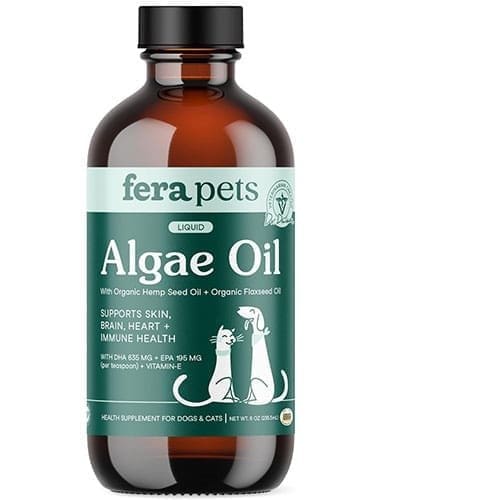
Omega-3 are anti-inflammatory and play a foundational role in skin and coat health. A dog with healthy, well-nourished skin creates a better physical barrier against pests. Flea saliva triggers inflammation and allergic response — dogs with adequate omega-3 levels tend to have a less intense reaction to bites and heal faster from skin irritation.
What to Look For
Not all omega-3 supplements are equal. Fish oil is the most common source, but many mainstream products contain much lower DHA/EPA concentrations than their labels imply. At the sanctuary, we use algae oil instead — it delivers a significantly higher DHA/EPA concentration per serving, skips the fishy odor, and avoids potential heavy metal concerns associated with some fish oil products.

Blueberries are one of the most antioxidant-dense foods you can add to your dog’s bowl, and antioxidants are central to immune function. They neutralize free radicals — the cellular damage that accumulates from environmental exposure, stress, and inflammatory responses to pest activity.
At the sanctuary we use frozen blueberries as a food topper or treat — frozen is just as nutritious as fresh and often cheaper.

Gut Microbiome Support — The strongest case. The live bacteria and enzymes in the mother may foster a healthier gut environment, which is where a large share of immune regulation happens.
pH Modulation — ACV’s mild acidity may discourage opportunistic pathogens, which tend to thrive in more alkaline conditions.
AskJovi.com earns a small commission on purchases made through our Amazon links, at no extra cost to you. Our recommendations are based on real evaluations at Marley Pet Sanctuary, where we stretch every dollar to find the best quality products for the animals in our care.
Your Hollistic Pet Assistant